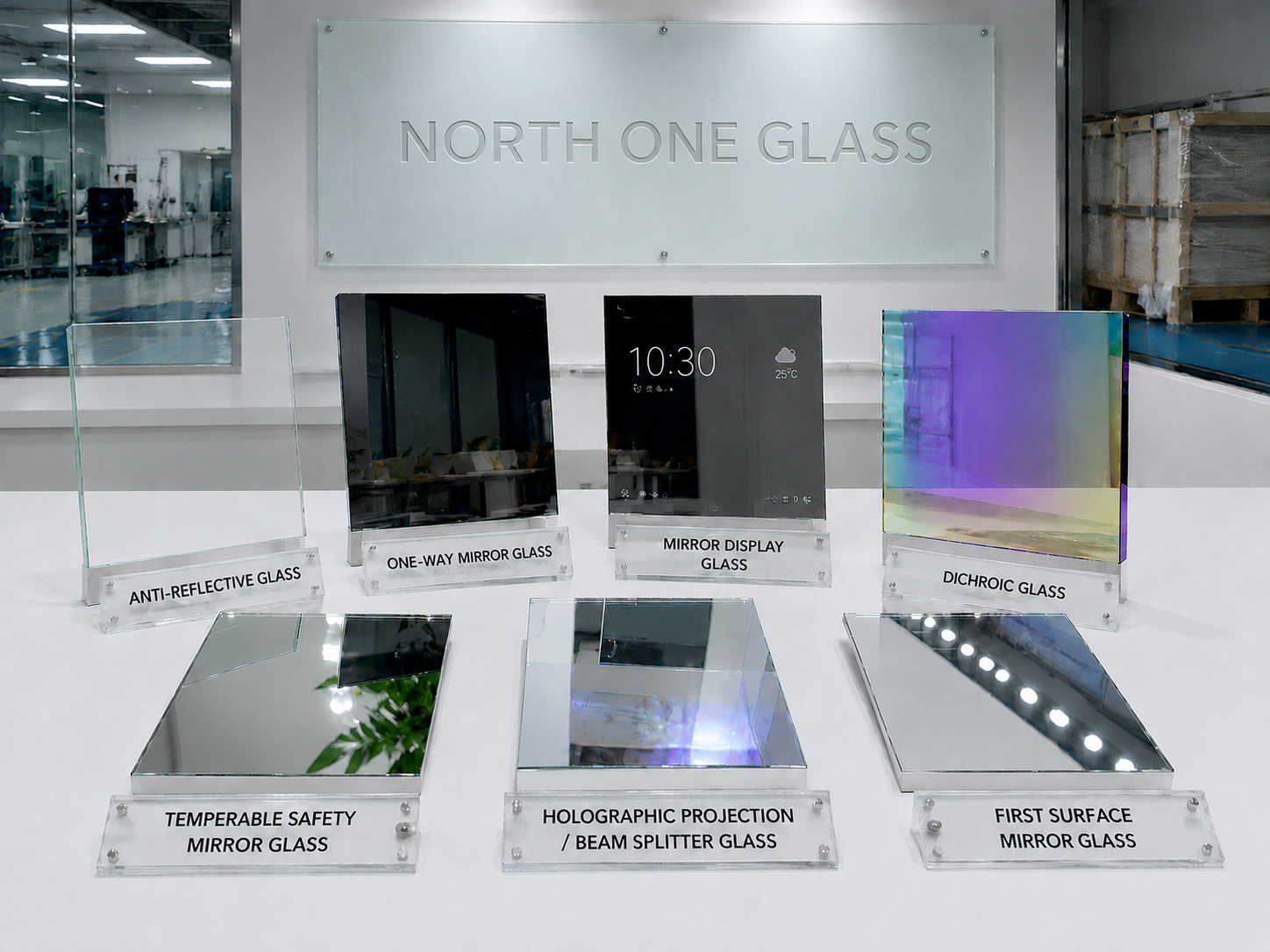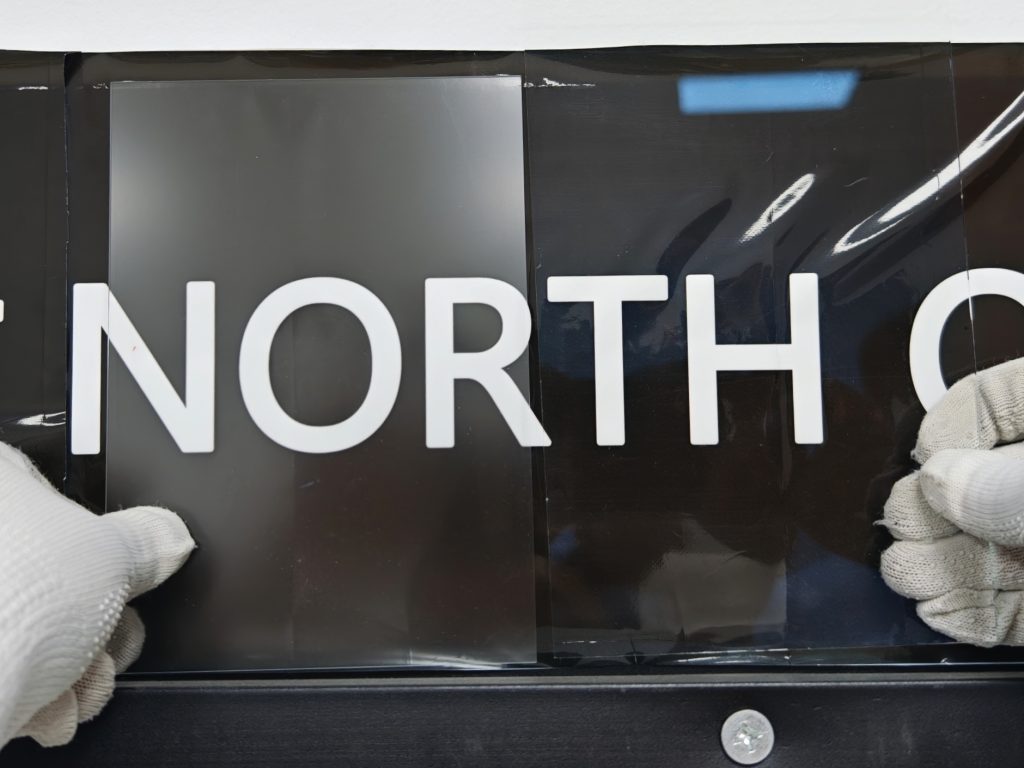
Anti-reflective glass and anti-glare glass solve different visibility problems. Anti-reflective glass is designed to reduce surface reflection while keeping the viewed object or image clear. Anti-glare glass diffuses reflected light, usually through an etched or textured surface, but that diffusion can also soften what is seen through the glass. The right choice depends on whether reflection control or image sharpness matters more in the actual lighting environment.
TL;DR
- Choose anti-reflective glass when high transparency, color fidelity, and a clear view through the glass are priorities.
- Choose anti-glare glass when bright point reflections must be spread out and a slight reduction in image sharpness is acceptable.
- Do not decide from a product name alone. Review lighting direction, viewing distance, display brightness, coating side, substrate, and final processing.
What changes optically?
Anti-reflective glass uses an optical coating to reduce the amount of light reflected at the air-to-glass surfaces. This is useful for museum showcases, premium displays, imaging systems, control panels, and other applications where the viewer should see the content rather than a reflected room. Anti-glare glass changes the surface so reflected light is scattered instead of forming a sharp mirror-like image. It can make a direct lamp reflection less distracting, but the same scattering may reduce contrast or fine-detail visibility. The effect becomes more noticeable when the glass is farther from the display or viewed at an angle.
Selection checklist
Before requesting samples or a quotation, define:
A side-by-side sample in the real installation is more useful than comparing isolated headline numbers. For a coated option, review the Anti-Reflective Glass category and the AR98 double-sided product. You can also browse the full product range.
- the light sources and their positions;
- the viewing distance and normal viewing angle;
- whether the glass protects a physical object or covers a digital display;
- required dimensions, thickness, shape, edgework, holes, and cut-outs;
- whether lamination, tempering, bonding, printing, or another downstream process is required;
- which optical values and test method will be used for approval.
Common specification mistake
The most common mistake is treating anti-reflective and anti-glare as interchangeable search terms. A supplier may offer both, but the surface treatment, visual result, cleaning behavior, and processing limits are different. Put the intended visual outcome and lighting description in the enquiry instead of asking only for “non-reflective glass.”
FAQ
Is anti-glare glass the same as anti-reflective glass?
No. Anti-reflective glass reduces reflected light through an optical coating, while anti-glare glass spreads reflections through a diffusing surface treatment.
Which option is better over a high-resolution display?
Anti-reflective glass is usually the stronger starting point when sharpness and contrast must be preserved, but the final choice should be checked with the display brightness, air gap, viewing angle, and lighting.
What should I send for a project review?
Send the application, drawing, size, substrate and thickness requirement, processing steps, lighting and viewing conditions, required optical values, quantity, and destination through the contact page.