


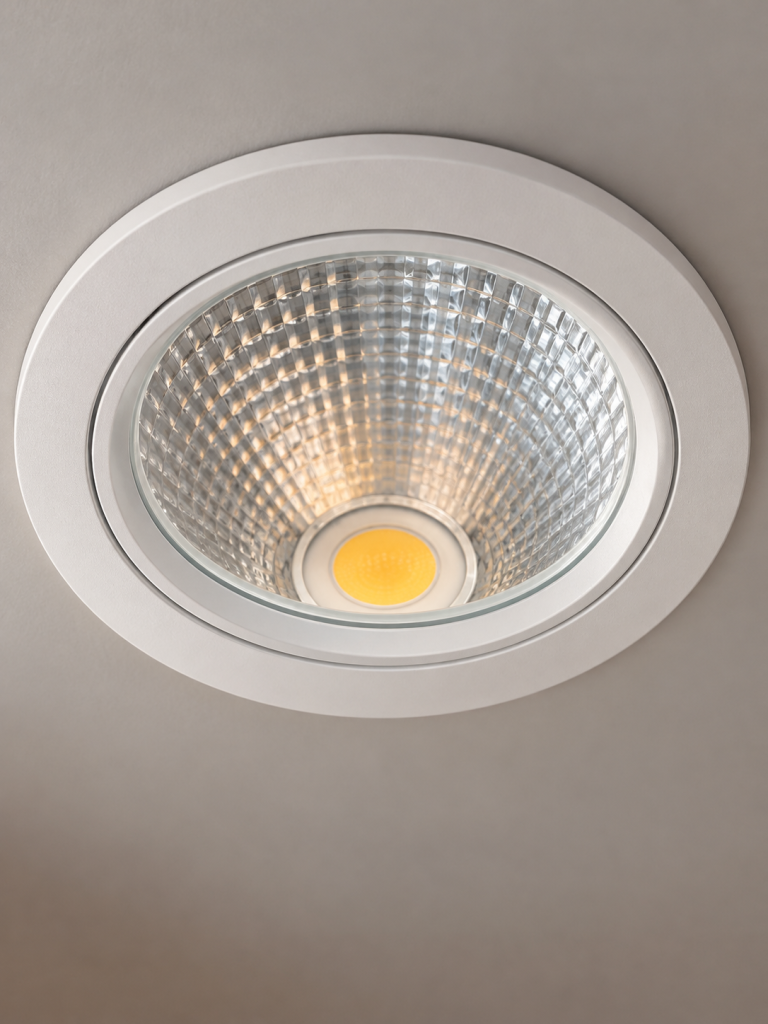
In July 2026, a Polish lighting customer approached North One Glass for circular anti-reflective glass covers with visible light transmittance above 98%. The customer needed finished, clean and protected components rather than full-size coated sheets. We supplied AR98 glass covers through our in-house processing and packing operations. After an initial 1,000-piece trial order, the buyer placed a 10,000-piece follow-up order and entered into an annual supply agreement.
Project Overview: Application, Requirements and Results
| Item | Project details |
|---|---|
| Industry and market | Premium lighting; customer based in Poland |
| Glass application | Circular transparent protective covers for lighting products |
| Glass selected | North One Glass AR98 anti-reflective glass |
| Optical requirement | Visible light transmittance greater than 98% |
| Part requirements | Finished circular parts to customer drawings; careful edge finishing, surface cleaning and handling |
| Packaging | Removable protective film on both sides of each cover; customized export packaging |
| Price outcome | Quoted supply price approximately 30% below the customer’s previous supplier quotation |
| Order progression | 1,000 trial pieces, then 10,000 production pieces |
| Independent evaluation | Customer reported a European laboratory comparison showing around 0.5% higher visible light transmittance over 380–780 nm than its previous glass; comparison method and original report are not available for publication |
| Delivery and relationship | The 10,000-piece order was received by the customer; an annual supply agreement followed the successful trial |
The Challenge: High Light Transmission at a Competitive Finished-Part Cost
For a transparent light cover, reflections at the glass surfaces reduce the portion of light transmitted through the component. Conventional uncoated glass typically reflects several percent of incident visible light at each air–glass interface. For premium luminaires, an anti-reflective coating can reduce these reflection losses while maintaining a clear appearance.
The customer had previously purchased anti-reflective glass from a supplier in Latvia. According to the buyer’s estimate, the combined cost of purchasing the glass, fabricating it into covers, absorbing processing losses and receiving the finished product could approach US$5 per piece. The customer needed a more competitive sourcing route without sacrificing optical performance or finished-part quality.
The requirements went beyond buying AR glass sheets:
- Optics: visible light transmittance above 98% for the selected cover specification.
- Finished geometry: circular glass covers manufactured to the customer’s dimensions and edge requirements, ready for downstream assembly.
- Handling quality: high expectations for dimensional consistency, surface cleanliness and resistance to handling-related scratches.
- Commercial cost: a more competitive quotation for completed components, not simply a lower price for unprocessed glass.
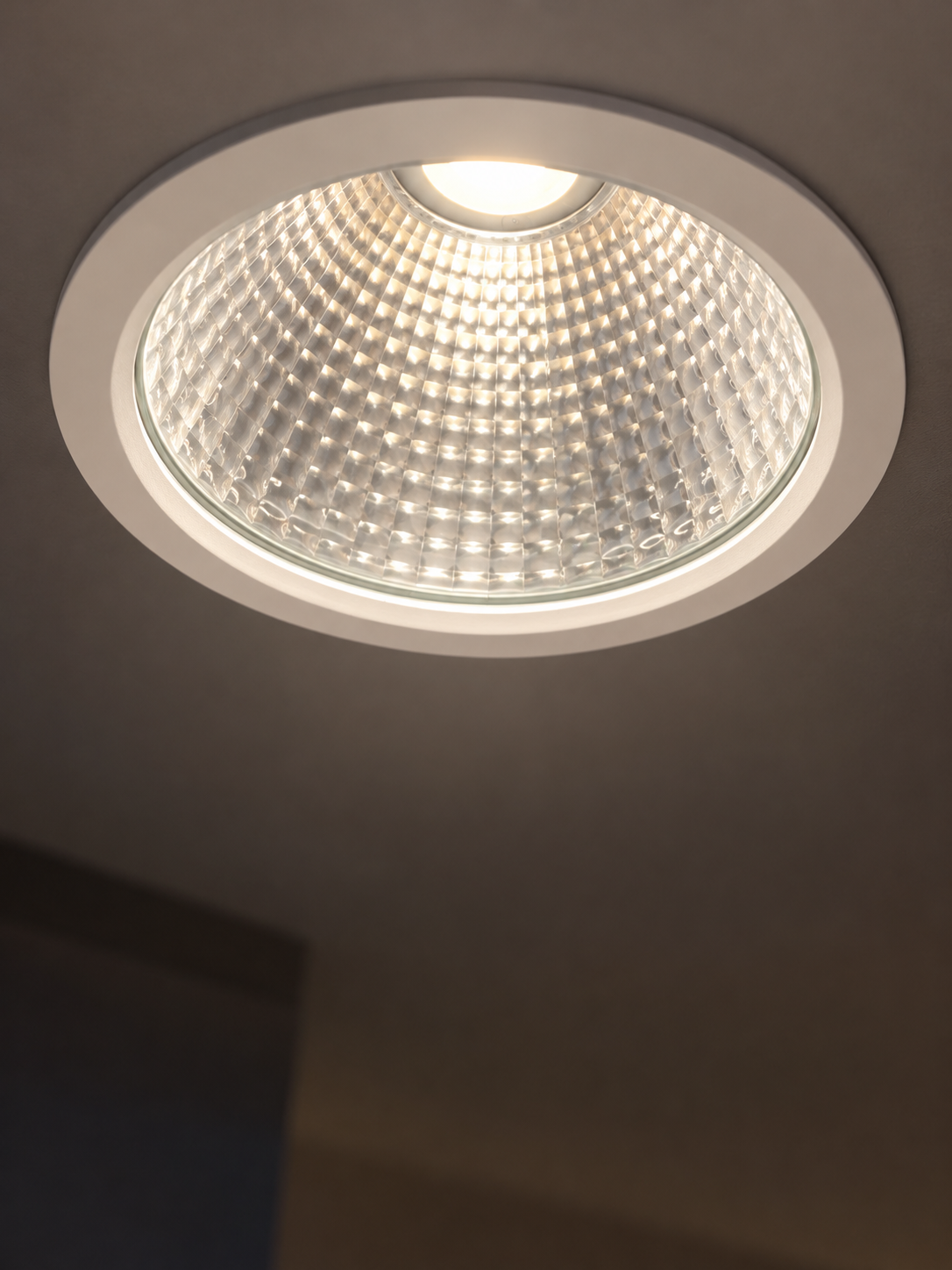
The Solution: AR98 Glass, In-House Processing and Protected Delivery
1. Select AR98 Anti-Reflective Glass for the Optical Target
We proposed AR98 anti-reflective glass, selected to meet the buyer’s above-98% visible light transmittance requirement. By reducing surface reflections, the coating helps improve transmission through a transparent glass cover compared with a comparable uncoated glass construction.
The exact optical result depends on glass thickness, substrate, coating configuration and the measurement method. View the AR98 product family and technical selection information.
2. Supply Finished Circular Covers, Not Just Coated Sheets
The buyer did not want to import large AR glass sheets and arrange local cutting. At our glass-processing facility in China, we fabricated the required circular components and completed the project-specific edge finishing.
This approach brought coated-glass sourcing, finished-part fabrication and packing into one finished-product delivery workflow. The customer could receive components prepared for its lighting assembly process rather than start with raw glass sheets.
Learn more about our glass processing and custom fabrication capabilities.
3. Clean Small Glass Components Before Packing
Fingerprints, dust and handling marks are particularly noticeable on high-transmission optical glass. We used our small-format glass cleaning equipment and careful handling procedures to prepare the finished covers before packaging.
This mattered to the customer’s production team: the protective covers were intended for use as visible components of premium lighting products, where both optical clarity and presentation quality are important.
4. Protect Both Surfaces for International Shipping and Final Assembly
We developed a packing method for this order with removable protective film on both sides of every finished glass cover, together with packaging designed for the selected export transport route.
The protection helps reduce exposure to fingerprints, abrasion and contact during shipment, unpacking and subsequent handling. The film is removed at the appropriate assembly stage, minimizing direct contact with the cleaned glass surfaces. The specific film, cleaning and packing method should be confirmed for each new glass specification.
5. Offer a More Competitive Finished-Component Price
Our quoted price was approximately 70% of the buyer’s previous supplier quotation—around 30% lower on the quoted supply-price comparison.
This is not a claim that the customer’s final landed cost decreased by exactly 30%: freight, Incoterms, duties, local handling and other costs can affect the total. The commercial advantage was offering a competitive price for the finished AR glass cover, rather than requiring the customer to source material and arrange additional fabrication separately.
From a 1,000-Piece Trial to a 10,000-Piece Production Order
The customer initially placed a 1,000-piece trial order to evaluate our manufacturing, surface cleanliness, packaging and optical suitability in practice.
After receiving those covers, the customer reported that the packaging and cleanliness met its expectations and compared favorably with its previous European supply. The buyer then arranged a laboratory comparison in Europe.
According to the customer’s feedback, the new glass showed approximately 0.5% higher visible light transmittance over 380–780 nm than the previously used product. This is a customer-reported comparison, not a published third-party certification: the original report, absolute transmittance values, calculation method and whether the 0.5% difference is relative or in percentage points are not provided here. Results should not be generalized to all AR98 thicknesses or coating configurations.
Following the successful trial, the customer placed a 10,000-piece production order. The buyer has received that shipment, reported satisfaction with the delivered covers and agreed to an annual supply arrangement.
What Lighting Manufacturers Can Learn from This Project
For lighting manufacturers, the most useful sourcing comparison is often the cost and quality of assembly-ready optical components across suppliers—not simply the price of AR-coated raw sheets.
This project brings together four practical purchasing considerations:
- Optical suitability: choose a glass configuration that meets the luminaire’s transmission and reflection requirements.
- Manufacturing fit: confirm diameter, thickness, edge finish and dimensional tolerances against the actual drawing.
- Delivered cleanliness: plan cleaning, protective film and packaging around shipping and the customer’s assembly process.
- Total sourcing workflow: compare the cost and complexity of buying finished glass covers against purchasing coated sheets and processing them elsewhere.
For a customer seeking a transparent cover rather than a light-scattering diffuser, low-reflection AR glass and a completed fabrication service can be an effective supply route.
Frequently Asked Questions
Can North One Glass manufacture circular anti-reflective glass covers for LED lighting?
Yes. In this Polish project, North One Glass supplied finished circular AR98 covers, including cutting, edge processing, cleaning, double-sided protective film and export packing. Share your drawing and part specification for a feasibility review.
What is the visible light transmittance of AR98 glass for lighting covers?
The customer required over 98% visible light transmittance, and AR98 was selected for that target. Actual performance must be confirmed for the proposed thickness, coating configuration and test method.
Can you supply ready-to-install glass covers instead of large sheets?
Yes. We can review finished-part requirements such as circular dimensions, edge finish, tolerance, surface handling and individual protection so the parts arrive prepared for the customer’s downstream assembly process.
How are small anti-reflective glass components protected during shipping?
For this project, each cover received removable protective film on both surfaces plus project-specific export packing. Packing and film compatibility are reviewed for the specific glass and shipping route.
Is anti-reflective glass the same as a frosted LED diffuser?
No. Anti-reflective glass is selected to reduce surface reflection and improve transparent light transmission. Frosted or diffusing materials scatter light to change its distribution. The correct choice depends on the luminaire design.
What information is needed for a custom lighting glass quotation?
Send the cover drawing, diameter, thickness, quantity, edge specification, optical transmission target, handling and packaging requirements, shipping destination and required delivery schedule.
Request a Quote for Custom AR98 Lighting Glass Covers
Looking for custom anti-reflective glass covers, optical glass components or finished glass parts for luminaires?
North One Glass can review the optical requirements, finished dimensions, processing route, surface protection and export packaging as one project.
Send Your Drawing and Request a Quote
Explore AR98 Anti-Reflective Glass
Case study prepared by North One Glass from its direct project and order experience. The customer’s identity is withheld for commercial confidentiality. Buyer feedback and the comparative European laboratory result are attributed to the customer; the original laboratory report and absolute measurement values are not reproduced in this article. Price differences describe the reported quotation comparison and not an independently audited landed-cost saving.