Anti-Reflective Glass FAQ: Price, Grades, Cleaning, Processing and Buying Checks
The fastest way to make an AR glass purchase go wrong is to ask only for “non-reflective glass.” The supplier needs the grade, coating side, substrate, thickness, optical target, finished sizes, processing, quantity and destination. The answers below cover the questions that most often affect selection, price and installation.
FAQ
Q1: What is anti-reflective glass?
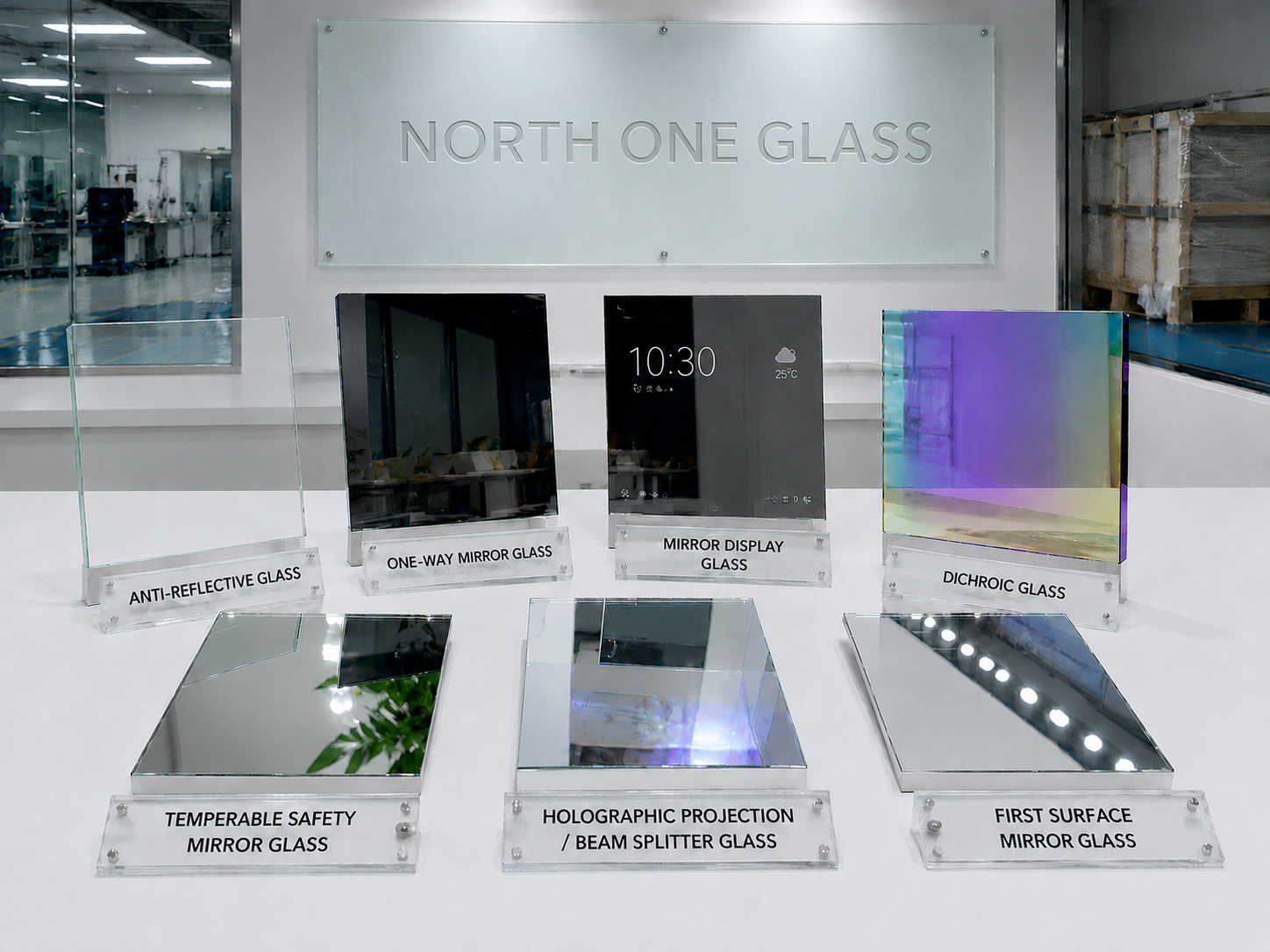
AR glass is glass with an optical coating that reduces surface reflection through light-wave interference. It is designed to improve viewing clarity and transmission. It is not the same as anti-glare glass, one-way mirror glass or mirror-display glass.
Q2: What are AR98, AR94 and UV75?
AR98 is the premium high-clarity route. AR94 is positioned as a cost-effective high-transmission route for large industrial-control and commercial-display areas. UV75 and UV99 add different levels of ultraviolet filtering for national museums, galleries, artwork, archives, textiles and valuable exhibits.
Q3: What transmission and reflection can AR glass achieve?
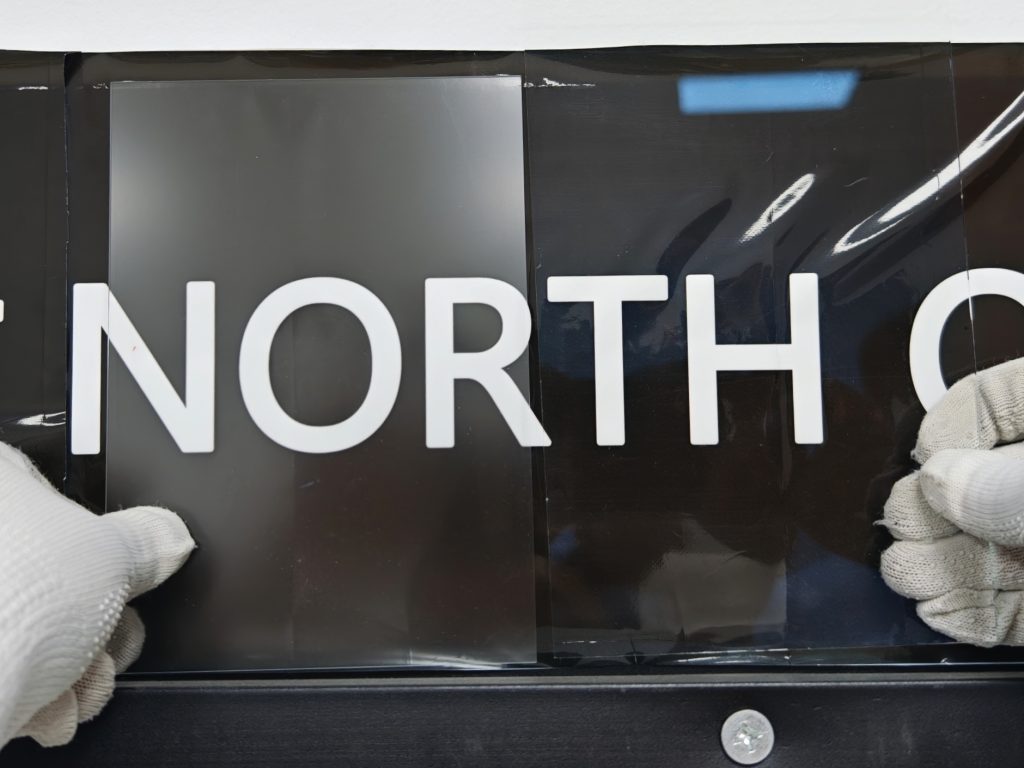
The confirmed high-performance double-sided route reaches up to 99% visible transmission and below 0.5% reflection across 380-780nm, with near-neutral a* and b* color. The single-sided route reaches at least 94% transmission and no more than 4% reflection. AR98 also has a confirmed commercial value of above 98.5% transmission and reflection as low as 0.7%; the quotation identifies the exact grade and test condition.
Q4: How much is 2-3mm double-sided AR98?
For a roughly 500 sqm picture-frame order, the reference is about USD 30/m² FOB China. Finished dimensions, cutting yield, packing and order mix can change the quote.
Q5: How much is 5-6mm AR98 raw sheet?
The reference is about USD 20/m² FOB China for double-sided raw sheet without processing. Cutting, edgework, holes, tempering, packing and freight are additional quotation factors.
Q6: How much is 8/10/12mm AR98 raw sheet?
The reference is about USD 25/m² FOB China for double-sided raw sheet, commonly considered for showcase doors and large display glazing.
Q7: What are the AR94 and laminated museum references?
The reference is about USD 20/m² for 3.2mm AR94 raw sheet and about USD 25/m² for 5-8mm AR94 single sheet used in a laminated museum structure. A finished 5+1.14PVB+5 or 6+1.14PVB+6 laminated AR construction is about USD 100-150/m² as a planning reference.
Q8: How much does tempering cost?
The AR glass tempering fee is about USD 15/m² as an early planning reference. Exact cost depends on thickness, size, yield, holes, edgework and processing difficulty.
Q9: Can AR glass be cut, edged, drilled, tempered and laminated?
Yes. The confirmed route supports cutting, edging, CNC waterjet drilling, 700°C physical tempering, chemical strengthening, PVB/SGP lamination and Low-E IGU construction. Tempering color difference remains below ΔE 0.5 for the approved construction, and the coating edge remains intact through the confirmed finishing route.
Q10: Can the AR coating survive cleaning and scratches?
The confirmed result is 5,000 reciprocating 0000# steel-wool rubbing cycles at 1kg pressure without peeling or visible damage, with a 7H+ surface route. Standard commercial glass cleaner is suitable under normal conditions. Remove grit first and avoid metal scrapers, abrasive pads and dirty separators.
Q11: What size can North One Glass supply?
Available thicknesses run from 1.1mm to 15mm. Jumbo sheet capability reaches 3,300 x 16,000mm, and more than ten regular formats include 2,140 x 3,300mm and 2,440 x 3,660mm. Matching the finished-size drawing to the raw sheet can reduce material waste by approximately 10%-20% for suitable order mixes.
Q12: How is AR glass packed for export?
The confirmed packing route uses fully enclosed fumigation-free reinforced wooden crates, anti-mildew paper or polymer powder, internal steel straps, shock-resistant timber bases and moisture protection. Full transport insurance is arranged for each confirmed shipment, and the packing system is designed for zero-breakage arrival under the agreed handling route.
Q13: Can AR glass be used on a holographic display or abyss mirror?
Yes, as the outer anti-ghosting cover glass. It reduces secondary reflections from the cover surface and improves image purity and visual depth. It does not replace the semi-reflective core glass, and a one-way privacy window still requires one-way mirror glass.
Q14: What must be sent for a reliable quotation?
Send the application, grade or optical target, coating side, substrate, thickness or laminated build-up, finished dimensions and quantity by size, processing drawing, sample or inspection requirements, packing, destination, trade term and schedule.
Q15: Can AR glass be used outdoors for a long period?
Yes. The confirmed route supports 20-year outdoor use and resists strong acid, strong alkali, salt spray and ultraviolet exposure. The full facade or display construction must still use suitable supports, seals, drainage and installation methods.
Q16: Are samples available and can North One Glass match an existing sample?
Standard A4 AR samples are free; the buyer provides a DHL, FedEx or UPS account or pays the courier freight. A customer sample can be measured with the PerkinElmer Lambda 950 for transmission, reflection spectra and LAB color, and a matched trial sample can be prepared within 48 hours.
Q17: Where is North One Glass AR glass used?
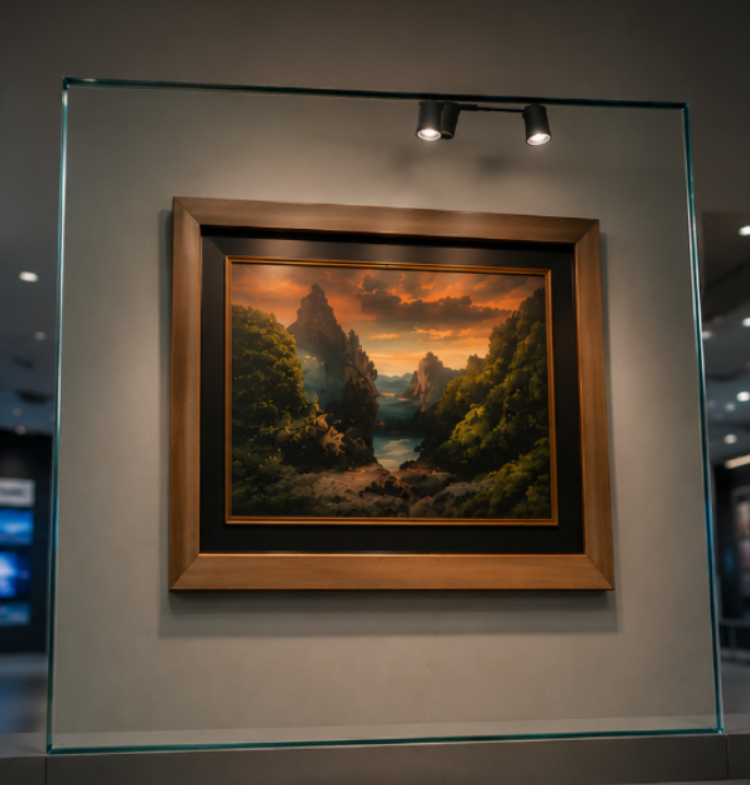
Confirmed applications include panoramic invisible houses and high-end facades, Tier-1 laptop cover glass, built-in ovens, refrigerator touch panels, holographic-display and abyss-mirror outer covers, national-museum showcases, galleries and luxury retail vitrines.
Q18: What project references are available?
Confirmed references include the Dubai World Trade Centre exhibition-hall optical upgrade, cover panels for globally recognized Tier-1 laptop brands and high-clarity or ultraviolet-protection glazing for national-museum showcase systems.
Final Buying Check
Do not compare one supplier's raw-sheet price with another supplier's finished laminated price. Keep the grade, substrate, coating sides, thickness, finished dimensions, processing, quantity, packing and trade term identical. Then ask for a sample or inspection route that matches the actual lighting and use condition. See the AR product family, North One Glass AR product page and AR price guide.