First Surface Mirror Applications: Design Guide, Specifications and Project Scenarios
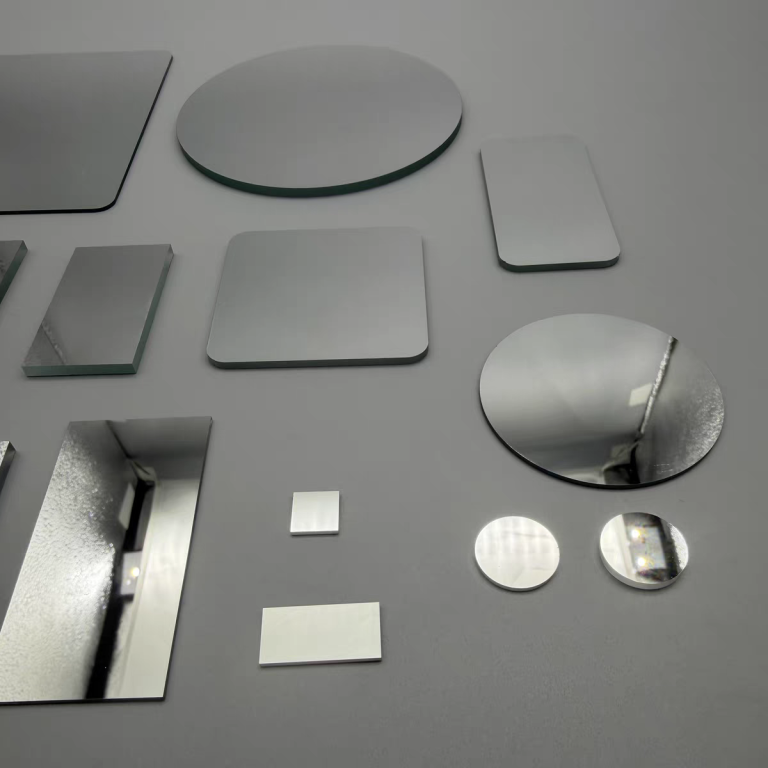
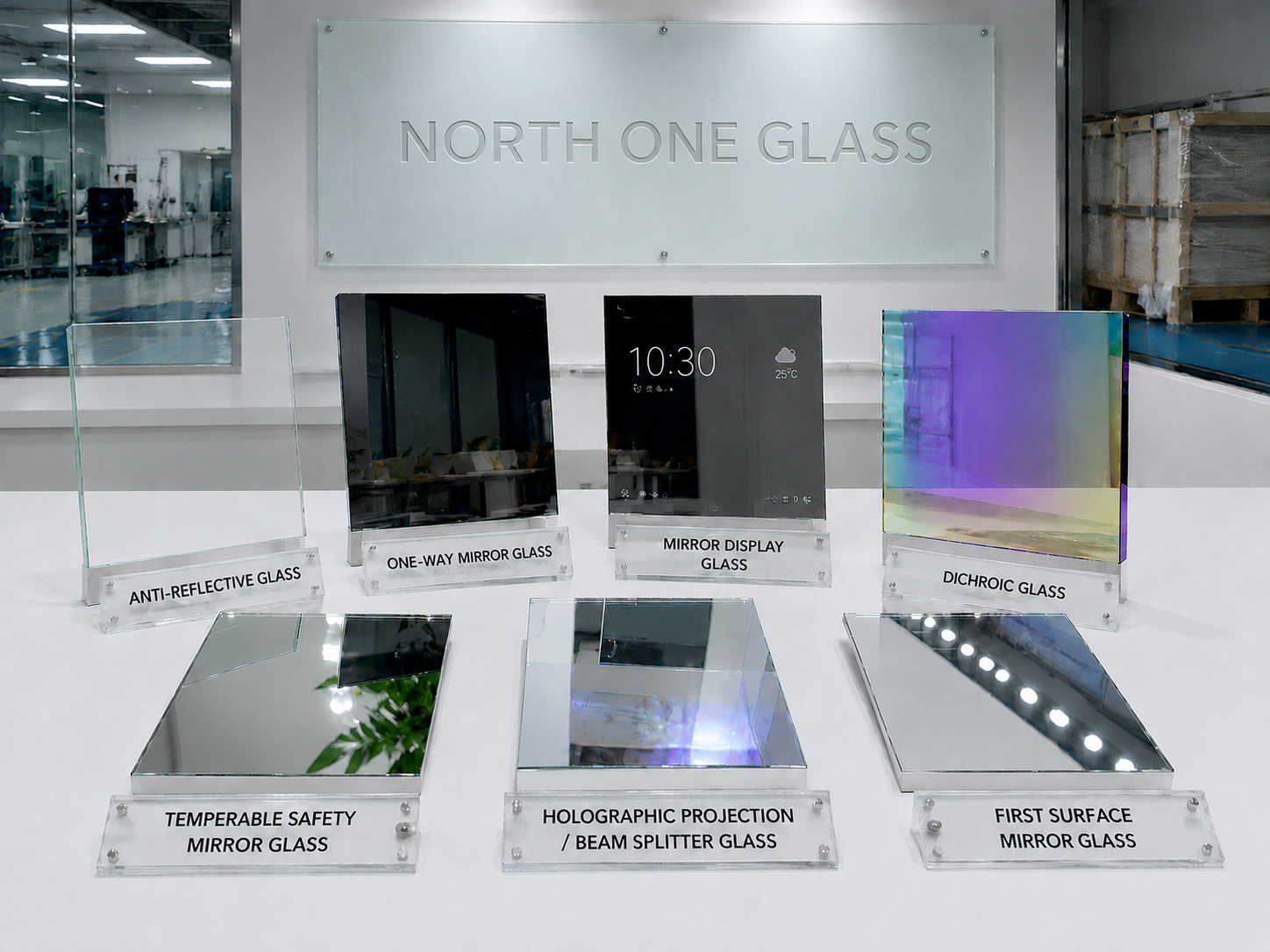
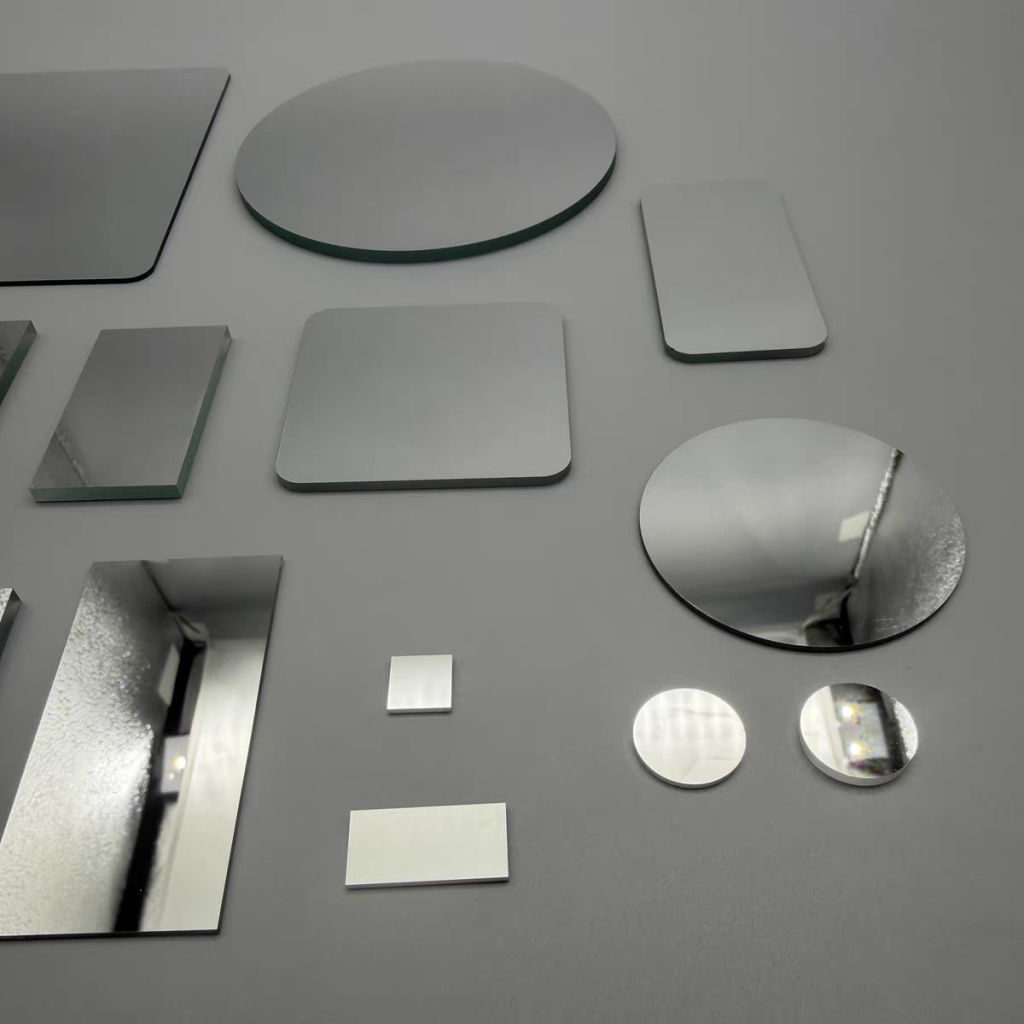
First Surface Mirror is used when reflected-image accuracy matters. Because the optical coating is on the front surface, light reflects directly and avoids the secondary refraction that can occur in ordinary rear-surface mirrors. This makes the product suitable for projectors, scanners, optical turning systems, semiconductor inspection, HUD systems and other precision optical assemblies. The specification should start from the optical path, not from glass size alone.
Application Selection Table
| Application | Buyer Pain Point | Specification Starting Point | Design Risk to Avoid |
|---|---|---|---|
| Laser and engineering projectors | Ghosting, lumen loss and blurred 4K image edges | 95% reflection, suitable thickness such as 2-6 mm, finished size by optical layout | Using a rear-surface mirror in a high-brightness optical path |
| Home HD projectors | Brightness and sharpness loss in compact light paths | Thin or medium thickness, accurate cut size, clean coated surface | Touching or scratching the exposed coating during assembly |
| Office and industrial scanners | Image distortion and edge data error | Flat substrate, neutral reflection, precise cutting and edge control | Ignoring mounting stress or mirror wave |
| 3D laser and PCB inspection scanners | Measurement error from secondary reflection | Front-surface reflection, drawing-based finished parts and batch inspection | Comparing only price without testing optical accuracy |
| Periscopes and optical turning systems | Need accurate reflected image in a folded path | Correct mirror angle, thickness, coating side and protected assembly | Leaving the coated face exposed to rough cleaning |
| Semiconductor and wafer inspection | High fidelity reflection for inspection or optical simulation | High flatness, uniform coating, reflection and LAB checks | Assuming generic mirror glass has enough optical control |
| Automotive HUD | Clear image reflection without unwanted double image | Optical review by HUD layout, reflection target and mounting position | Approving small samples without the real display angle |
| Aerospace, lab and precision optical systems | Special size, optical path or equipment-specific constraints | Custom or jumbo review up to 3300 x 16000 mm | Ignoring handling, flatness expectation and export packing |
Projector Design Notes
Projectors use first surface mirrors to reduce ghosting and improve light-energy utilization. A common design problem is that an ordinary rear-surface mirror can create a secondary image, especially in high-lumen or high-resolution systems. Buyers should define the reflected image size, angle, mounting method, thickness, finished tolerance and cleaning access. A 2 mm first surface mirror is used in the projector design example, but the final thickness must follow the equipment design.
Scanner and Inspection Design Notes
Scanners and inspection systems need stable reflected geometry. Refraction from a conventional mirror can distort edge data or reduce measurement confidence. Buyers should check substrate flatness, coating uniformity, finished size, edge quality, mounting stress and batch repeatability. For repeated parts, send the full size list so North One Glass can review a cutting plan and raw-sheet format.
Semiconductor and Laboratory Design Notes
Semiconductor photolithography, wafer inspection and laboratory optical simulation can require large or special mirrors. The product range includes jumbo/custom capability up to 3300 x 16000 mm, but feasibility must consider optical flatness expectation, processing, handling, crate design and transport route. Do not treat maximum size as automatic for every precision requirement.
HUD and Automotive Optical Design Notes
HUD systems need controlled reflection, color neutrality and image stability. A first surface mirror can help reduce unwanted double image in the optical path, but the final choice must be tested with the display brightness, viewing angle, windshield or combiner design and installation position.
Illustrative Design Scenarios
These illustrative design scenarios explain product selection and expected uses. They are not verified customer projects.
| Scenario | Problem | Example Route | Expected Buyer Value |
|---|---|---|---|
| 4K laser engineering projector | Rear-surface mirror creates light loss and ghosting under high lumen output | 2 mm First Surface Mirror with 95% reflection | Cleaner image edge, reduced ghosting and better brightness utilization |
| PCB 3D scanner optical component | Conventional mirror refraction affects edge data and low yield increases cost | 2140 x 3300 mm sheet with precision cutting | Better optical geometry and improved material yield planning |
| Wafer-inspection optical simulation chamber | Large, high-flatness mirror required for optical-path simulation | Custom jumbo First Surface Mirror | Large-area reflection review for laboratory or inspection equipment |
Installation and Handling Notes
The coating is on the front surface, so handling is part of the design. Assemblers should use clean gloves, compatible separators and a cleaning method based on lint-free cloth or sterile cotton with a small amount of IPA or deionized water. Wipe gently in one direction from the centre toward the edge. Do not use rough cloth, strong acid, strong alkali or forceful back-and-forth scrubbing.
How North One Glass Fits Application Projects
North One Glass supplies ready-stock standard thicknesses and sheet sizes, supports sample and small-order purchasing for laboratories and new customers, and can review custom cutting, edging, drilling and jumbo orders. Explore the First Surface Mirror category, the 95% First Surface Mirror product and the project enquiry page.
FAQ
Q: What is the most common use of First Surface Mirror?
A: It is used where ghosting or secondary refraction would affect the result, including projectors, scanners, HUD and precision optical systems.
Q: Can it be used for decorative mirrors?
A: It can reflect like a mirror, but the exposed coating makes it less suitable for ordinary decorative use where people touch or clean the surface frequently.
Q: What thickness should be used for projectors?
A: The thickness depends on mirror size, mounting and optical layout. The available thickness range is 1.1-15 mm, and the design should be reviewed by drawing.
Q: Can it be used in semiconductor equipment?
A: Yes, semiconductor photolithography and wafer-inspection equipment are application areas, subject to project-specific optical requirements.
Q: Are the scenario examples verified customer cases?
A: No. These are illustrative design examples, not verified customer projects.
Q: What should be checked for a scanner mirror?
A: Check flatness, ghosting, reflected color, finished dimensions, edge quality, mounting stress and batch repeatability.
Q: What is the maximum size for special projects?
A: Custom capability can reach up to 3300 x 16000 mm, subject to optical, processing, handling, packing and transport feasibility.