First Surface Mirror FAQ: Selection, Installation, Cleaning and Troubleshooting
This FAQ is for buyers, engineers and project teams selecting First Surface Mirror for projection, scanning, HUD, semiconductor inspection, periscope, laboratory or other precision optical systems. The short answer: choose First Surface Mirror when ghosting or secondary refraction would affect the optical result, define the exact size and processing in the RFQ, and handle the exposed coating carefully during installation and cleaning.
Quick Procurement Facts
| Question Area | Confirmed Answer |
|---|---|
| Product name | First Surface Mirror / Front Surface Mirror |
| Reflection | Visible light reflection reaches 95% |
| Thickness | 1.1, 2, 3, 4, 5, 6, 8, 10, 12 and 15 mm |
| Standard sheets | 915 x 1220 mm to 3300 x 4880 mm across nine standard sizes |
| Maximum custom capability | Up to 3300 x 16000 mm, subject to feasibility |
| Processing | Custom cutting, shaped cutting, edging, drilling and drawing-based processing |
| Custom lead time | Generally 7-15 working days after deposit and drawing confirmation for custom cutting, drilling or jumbo orders |
| Packing | Fumigation-free reinforced wooden crates with interleaving, moisture protection and shock-absorbing material |
FAQ
Q: What is a First Surface Mirror?
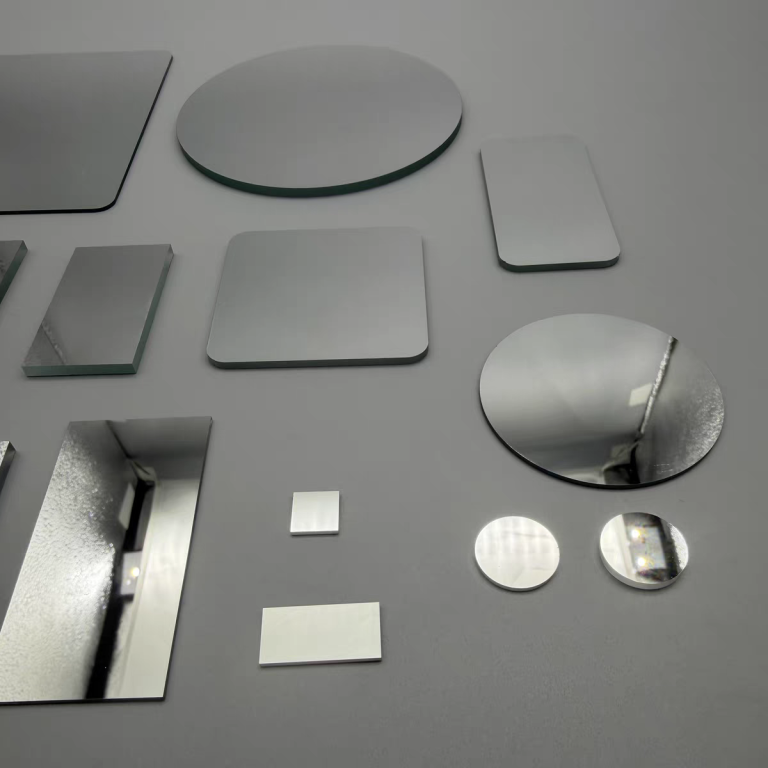
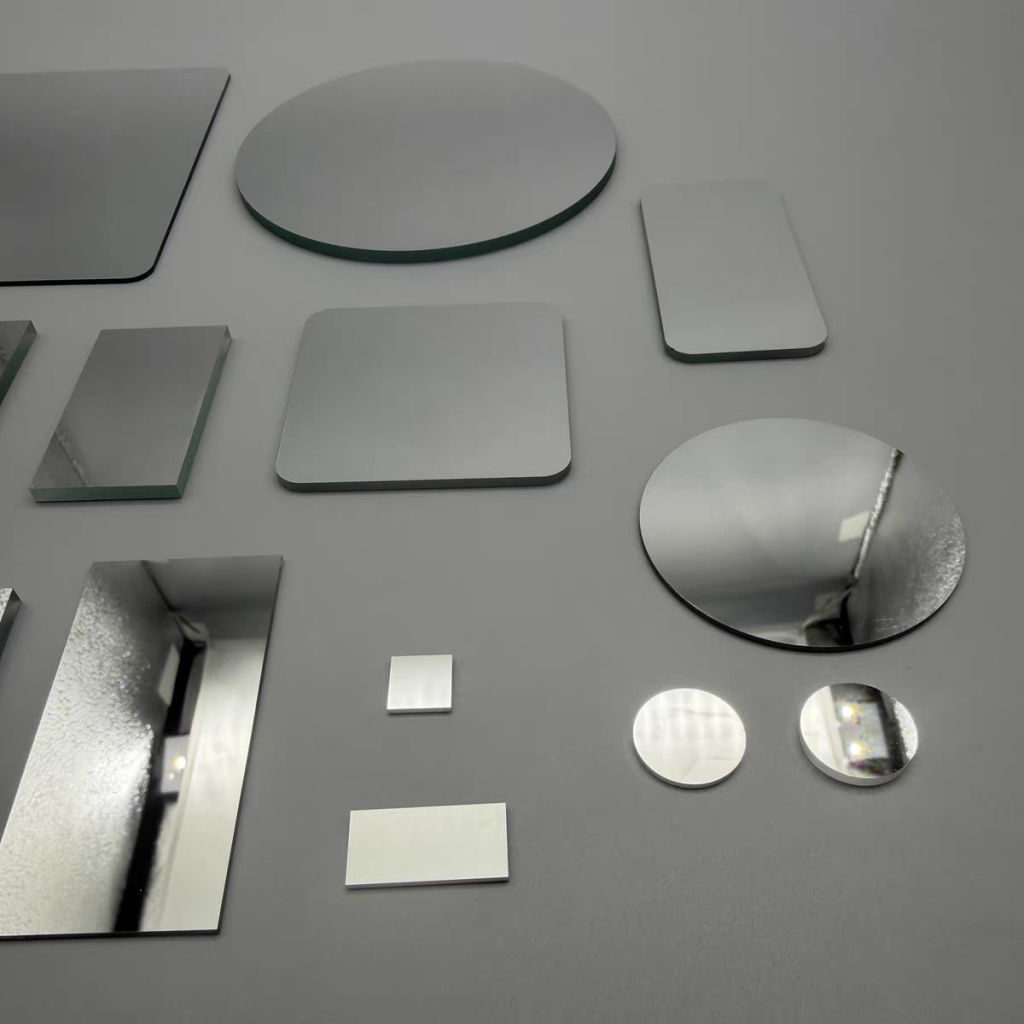
A: A First Surface Mirror is an optical mirror with the high-reflectance coating deposited directly on the front surface of the glass. Light reflects from the coating before passing through glass.
Q: Is Front Surface Mirror the same product?
A: Yes. Front Surface Mirror is the supporting term used for the same front-coated optical mirror family.
Q: How is it different from an ordinary mirror?
A: An ordinary rear-surface mirror places the reflective layer behind glass. Light passes through glass before reflection, which can create secondary refraction and ghost images. A First Surface Mirror avoids that route.
Q: What visible reflection can North One Glass supply?
A: North One Glass supplies first surface mirrors with visible light reflection reaching 95%.
Q: What thicknesses are available?
A: Available thicknesses are 1.1 mm, 2 mm, 3 mm, 4 mm, 5 mm, 6 mm, 8 mm, 10 mm, 12 mm and 15 mm.
Q: What standard sheet sizes are available?
A: Standard sizes include 915 x 1220, 1830 x 1220, 1830 x 2440, 2440 x 3660, 2140 x 3300, 2140 x 2660, 2250 x 3300, 2250 x 3660 and 3300 x 4880 mm.
Q: What is the maximum custom size?
A: Custom or jumbo capability can reach up to 3300 x 16000 mm, subject to optical, processing, handling, packing and transportation feasibility.
Q: Can it be cut, edged or drilled?
A: Yes. Custom cutting, shaped cutting, edging, drilling and drawing-based processing are available processing options.
Q: Can it be tempered or laminated?
A: Request a product-specific feasibility review before specifying tempering, lamination or insulating-glass construction. Provide the drawing, thickness, coating orientation and intended environment.
Q: Where is First Surface Mirror used?
A: Applications include laser projectors, engineering projectors, home HD projectors, periscopes, optical turning systems, office scanners, industrial scanners, 3D laser scanners, PCB inspection, semiconductor photolithography, wafer inspection, automotive HUD, aerospace, laboratory and precision optical systems.
Q: Why do projector manufacturers use it?
A: Projection systems are sensitive to ghosting and lumen loss. A front-coated mirror helps the light reflect directly and keeps the projected image sharper.
Q: Why do scanners use it?
A: Scanners need accurate reflected geometry. Reducing secondary reflection and refraction helps protect edge data and image accuracy.
Q: Is it suitable for ordinary bathroom or decorative mirrors?
A: It is not the first choice for ordinary decorative use because the coating is exposed and requires careful handling and cleaning. A rear-surface mirror may be more practical for non-critical reflection.
Q: Which side is the functional side?
A: The functional reflective coating is on the front surface. The coated side must face the optical path according to the equipment design.
Q: How should the surface be cleaned?
A: Use a lint-free cloth or sterile cotton ball with a small amount of IPA or deionized water. Wipe gently in one direction from the centre toward the edge.
Q: What cleaning methods should be avoided?
A: Do not use rough cloth, strong-acid or strong-alkali cleaning chemicals, or forceful back-and-forth scrubbing.
Q: What causes scratches?
A: Common causes include touching the coating with dirty gloves, using rough cloth, dragging separators, poor packing or cleaning with too much force.
Q: What causes ghosting after installation?
A: Check whether the correct front-coated side faces the optical path, whether a rear-surface mirror was used by mistake, and whether another glass layer or protective cover is creating a secondary reflection.
Q: How is the price calculated?
A: Price depends on thickness, dimensions, MOQ, precision processing, inspection, packing and destination. Request an itemized quotation with the currency and delivery terms.
Q: Are samples or small orders supported?
A: Yes. Sample orders and small orders are supported for optical laboratories, research and new-customer testing. Confirm sample preparation and courier charges for the required size and destination.
Q: What is the lead time?
A: Standard thicknesses and sheet sizes are kept as ready stock for fast response. Custom cutting, drilling or jumbo orders generally require 7-15 working days after deposit and drawing confirmation.
Q: How is export packing handled?
A: Export packing uses fumigation-free reinforced wooden crates, anti-mildew paper or moisture-resistant powder between sheets, and high-density shock-absorbing foam.
Q: What should I send for a quotation?
A: Send the product name, reflection requirement, thickness, raw-sheet or finished dimensions, quantity, drawing, tolerances, processing, application, sample need, inspection request, destination and required schedule.
Q: Why choose North One Glass?
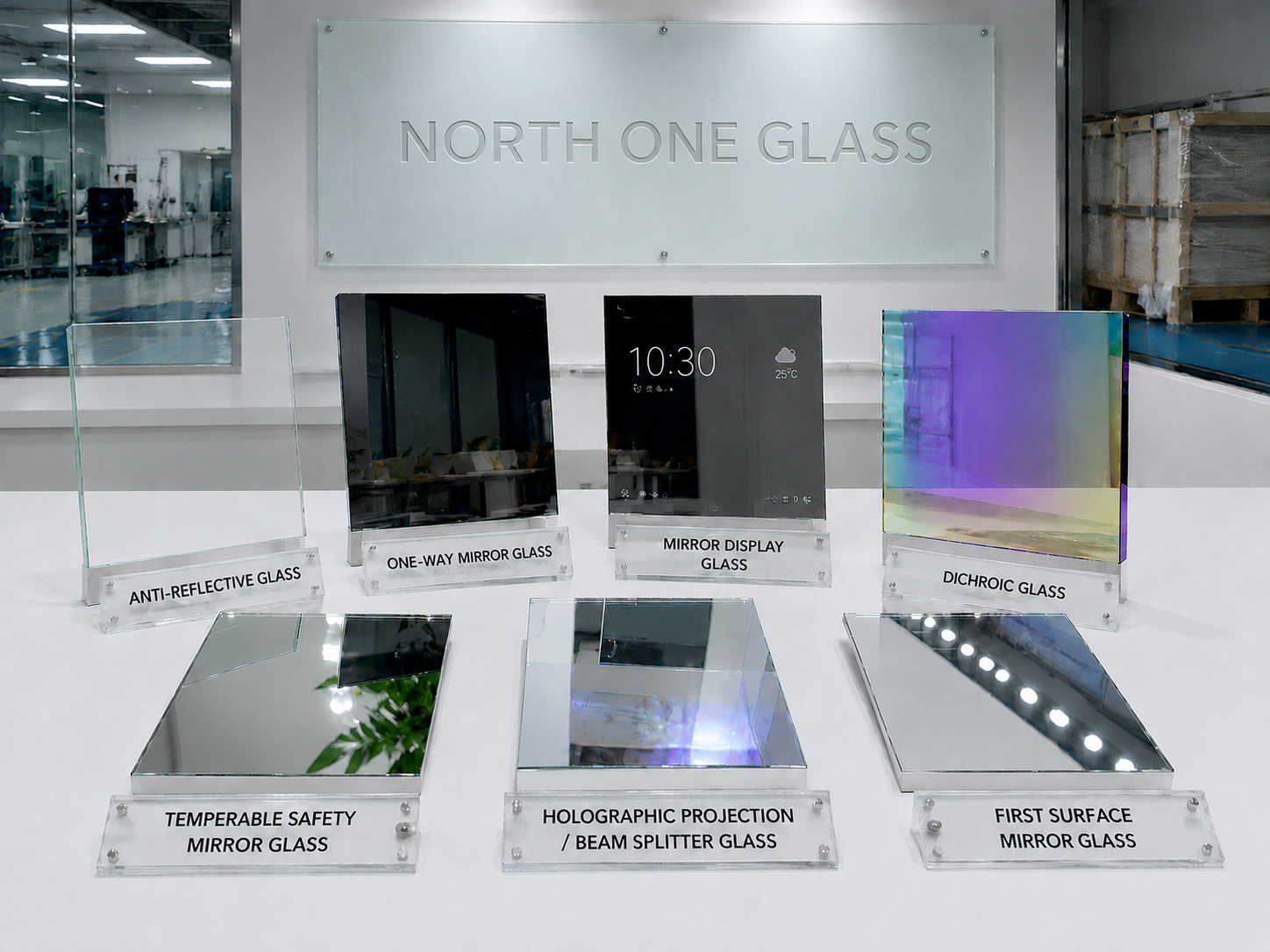
A: North One Glass supplies 95% visible-reflection First Surface Mirror, supports multiple thicknesses and sheet sizes, custom cutting and drilling review, ready-stock response, batch optical inspection and export packing for international orders. For deeper selection, read the front surface vs second surface mirror guide, the manufacturing and quality inspection guide, and the First Surface Mirror product family. Send project details through the contact page.